Alternative title: The Act of Killing
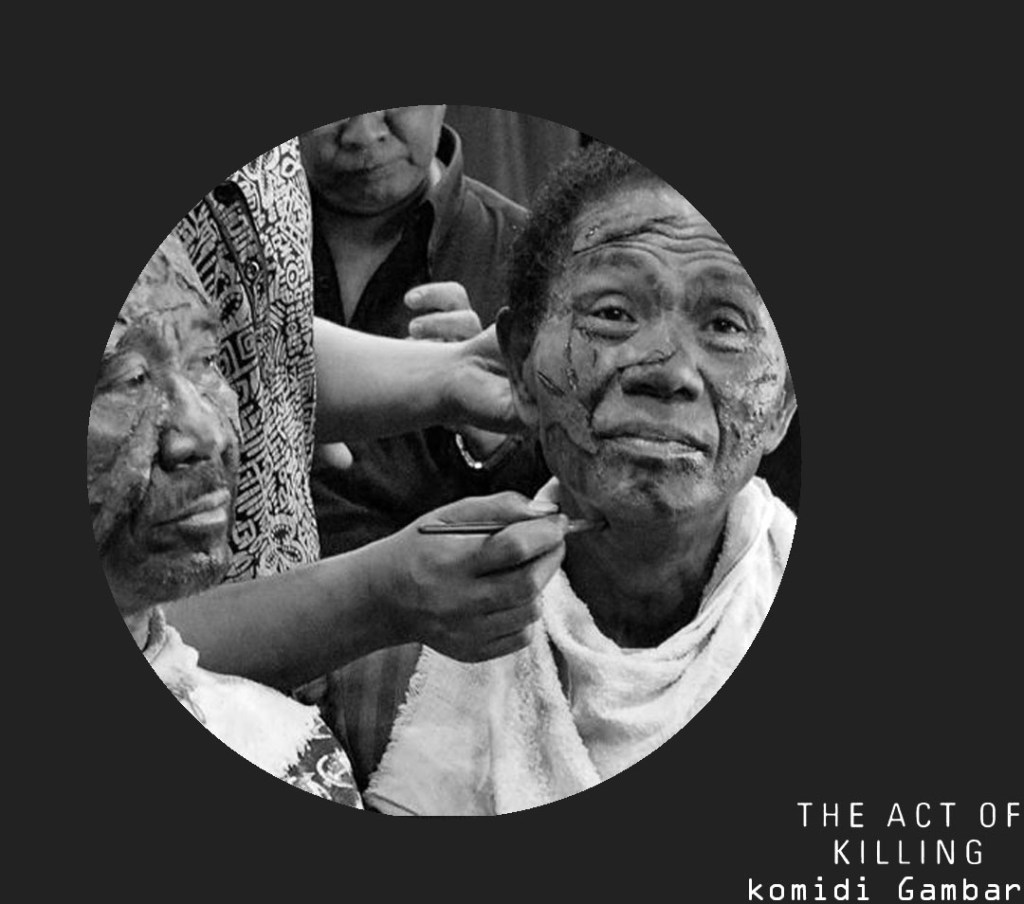
An old man and his comrades 'gloriously' reminisce their days as the executioners of the 1965 mass killing, through a movie that created and played by themselves, both as the perpetrators and the victims.
Why It’s Worth Watching
One of the most known works from Joshua Oppenheimer, The Act of Killing (Jagal) portrays the bloody events of the 1965 mass murders, from the views of the man that once was chosen to help the government in annihilating the Communist Party’s movement, which in the practice was gone south.
The Act of Killing has been praised, as it reveals the tainted history of the state that has been buried for a long time, and is often considered as the antithesis of the product of the New Order, the movie entitled Pengkhianatan G30S/PKI.
Years After Pengkhianatan G30S/PKI
From its first release in 1984, the leader of the New Order obliged his people to watch Pengkhianatan G30S/PKI as a reminder that PKI (the Indonesian Communist Party) the largest party in the country and the second-largest communist party after The Soviet Union and China had been annihilated.
The movie that cherishes the heroism of Soeharto in carrying out the ultimate agenda and bringing him to the top of his regime, had long presented its horror to almost any people in the country, including elementary school kids. It also blatantly concluded every person that had a connection with PKI is absolutely evil.
There’s much to tell about the movie that once showed every September until its obligation was lifted in 1998: from the huge budget to the director’s disappointment toward the result, not to mention the controversy it builds years after.
Gie (2005), directed by Riri Riza, may portray the dark side of the annihilation of KPI, yet it just says a little about what truly happened behind it. And then, the documentary movie The Act of Killing (or Jagal in Indonesian) came out in 2012.
Joshua Oppenheimer, assisted with a local citizen who prefers to hide his/her name, reveals the other side of the bloody event that backfires Pengkhianatan G30S/PKI.
A Monster That Sings
Meet Anwar Congo, the former leader of a death squad that allegedly killed thousands of members of PKI–and its sympathizers and ethnic Chinese–after the party’s attempt at coup d’état.
Rather than being in the military, the hate towards communism is what made Congo join the annihilation. He’s actually a famous gangster and the most feared man in Medan. He was involved in many criminal activities and was often seen in front of a cinema, buying and selling tickets with his friends.
While filming this documentary, Oppenheimer somehow enticed the notorious criminal with the prospect of making a film that tells his acts of killing on that bloody time, which was written by Congo himself and also played by himself and his comrades.
Congo’s fondness of movies (especially action movies) made the offer run smoothly. He even said that some of the execution methods he used are influenced by some scenes in the movie he has seen.
You can feel Congo’s sincere enthusiasm whenever he presented the play, to a degree that you wouldn’t notice that he massacred thousands of people if you haven’t been told so. But at the same time, you’d be left in disbelief whenever he explained one of his killing techniques in a calm manner.
Oppenheimer made Congo reminisce his time as an executioner with the promise of helping him to produce the movie about those glorious times of his.
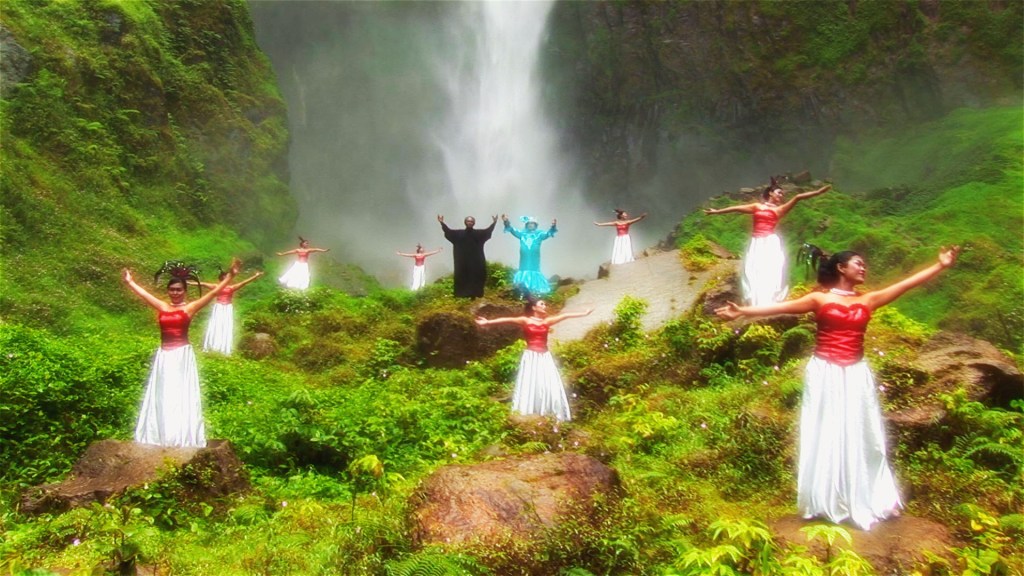
Indeed, Congo regards himself as a national hero after his killing acts and he doesn’t shy away from it. Above all, he did help the government annihilate communism in the whole country, without any remaining. He believed that was essentially what the circumstance told him.
Throughout the movie, Congo indeed triumphs over the massacre and makes the sensible reasons behind it every time he asked. But, that’s not the goal of this movie, or to be exact, the goal of Director Oppenheimer.
The Invisible Actor
Unlike most documentary movies, you can feel the presence of the director in some of the scenes in the movie. You can hear Oppenheimer talking fluently in Indonesian when he asked some of the important questions, though he didn’t show his face once. Even at some particular scene, Congo would call the director’s name and begin to talk to him, not a typical documentary you see nowadays.
I think Oppenheimer did this deliberately. He knows that Congo and his comrades have done something wrong. Still, he knows very well that they don’t see it as something erroneous.
That’s the reason he plunged himself into the scene, as the invisible actor, the antagonist of Congo’s twisted belief for his misdeed. Otherwise, the movie would be about Congo’s surreal story of a joyous massacre, not the dire reality of Indonesian history Oppenheimer wants to present.
You might see Oppenheimer attempted to straighten their mind about the massacre through the conversation they are having. One prominent instance is when Oppenheimer confronted Adi Zulkadry, Congo’s executioner accomplice, during their conversation in a car.
The director asked about the Geneva Conventions and its probable war crime implication on Adi’s trial. Still, Adi persisted with the righteous view of his killing acts.
Near the end of the movie, Oppenheimer may seem to successfully instill the narration he wants to achieve into the perpetrators’ minds. There were gloomy feelings that Oppenheimer captured between them and their surroundings. Though the fact, it was just Congo who realized the guilt of his past actions.
Despite that, it seems doubtfully true that Congo would atone for his sin. He passed away years after without being put on trial and the bloody history will still remain a history.

Quote
“Orang yang kusiksa dulu itu rasanya seperti aku begini.“
“People who I tormented are like what I played in that scene.”

A former mass executioner triumphantly restages his acts of killing in his own version, while the director tries to change the executioner’s twisted belief.
Where to watch:

Directors: Joshua Oppenheimer
Genre: Documentary
Scriptwriter: –
Runtime: 1 hour and 57 minutes
Reference:
Evans, Gareth. 2019. “Obituari: Anwar Congo, pembunuh massal yang memerankan kembali kejahatannya”. BBC. Accessed on March 6th 2022. https://www.bbc.com/indonesia/majalah-50284432
 KomidiGambar